Sarasota Pro Locksmith Service Team
Local locksmith team
Apr 16, 2026 12 min read
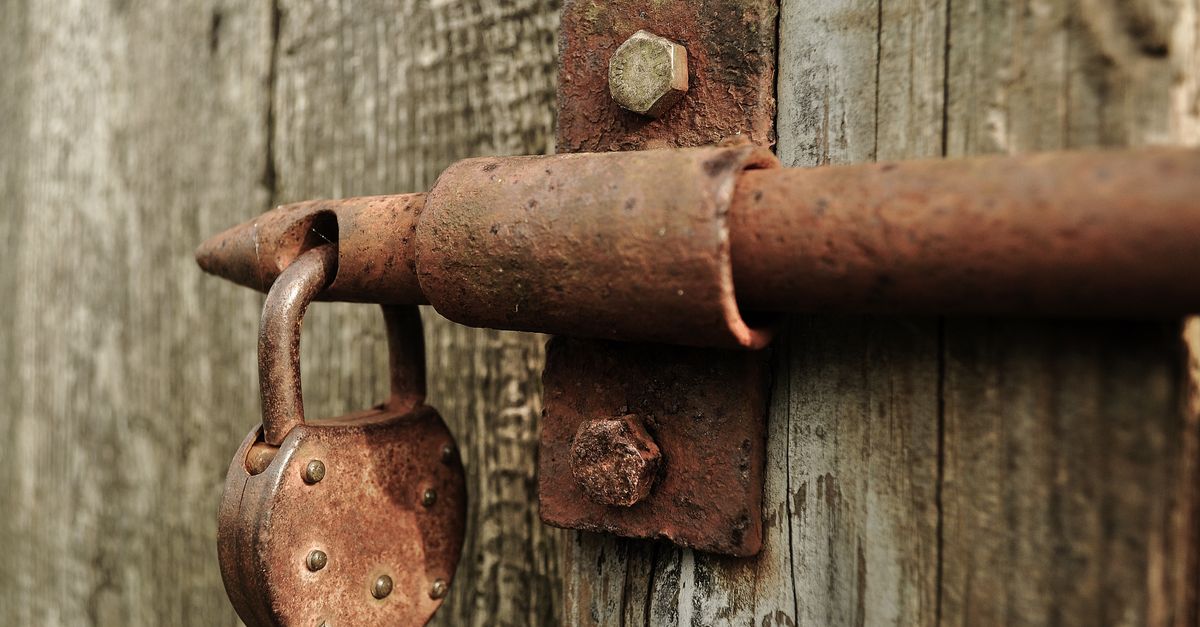
If you live on Siesta Key, Longboat Key, or anywhere along Sarasota's waterfront, you already know that the Gulf Coast gives generously — postcard sunsets, soft sand, warm breezes. What it takes back, quietly and relentlessly, is the integrity of your door hardware. Salt air carries microscopic chloride particles that settle into every exposed metal surface, including the internal workings of your locks. Most homeowners don't notice the damage until a key snaps, a deadbolt seizes mid-turn, or a mortise lock stops retracting its bolt entirely — often at the worst possible moment.
This guide is written specifically for Sarasota-area property owners who want to get ahead of that problem. Whether you're maintaining a beachfront rental on Midnight Pass Road, a condo on Gulf of Mexico Drive, or a year-round home a few blocks from the water, the advice below is practical, specific, and worth reading before corrosion forces your hand.
## How Salt Air Actually Damages Locks — Starting with Your Mortise Lock
Coastal corrosion isn't just surface rust. Salt-laden humidity penetrates the keyway, pin chambers, and spring mechanisms inside your locks, bonding with metal components in a process called galvanic corrosion. The result: pins that stick, springs that weaken, and cams that grind instead of rotate. Mortise locks — the rectangular cartridge-style locks recessed into the door edge, common on older Sarasota homes and most commercial storefronts — are particularly vulnerable because they contain more moving parts than a standard cylindrical lock. When the internal cam or case corrodes, the lock can fail to retract the latch or deadbolt even with the correct key inserted. That's not a lockout you can wait until morning to solve.
Keypad door locks and smart locks face a related but different threat: salt moisture accelerates battery terminal oxidation and corrodes the contact points between the keypad membrane and the circuit board. If you've ever needed to change the code on a keypad door lock only to find the buttons responding inconsistently, corrosion is a likely culprit. Door knob locks — especially exterior-facing ones on screened lanais and pool gates — suffer visibly, with pitting on the collar and keyway that traps more moisture and accelerates the cycle.
## A Real Maintenance Routine That Actually Works on Gulf Coast Hardware
Prevention costs far less than emergency service, and a consistent routine can extend lock life by years even in a high-salinity environment. Start with a monthly wipe-down of all exterior lock faces, strike plates, and escutcheons using a dry microfiber cloth — this removes chloride deposits before they work inward. Every three to four months, apply a PTFE-based or graphite lubricant inside the keyway and along the bolt mechanism; avoid WD-40 on lock internals, as it leaves a residue that attracts grit. For a mortise lock specifically, have a qualified locksmith remove the case annually, clean the internal components, and re-lubricate the cam and levers — this single step catches corrosion before it seizes the mechanism entirely.
For keypad and smart locks, use a soft brush to clear salt buildup from around button edges monthly, and replace batteries every six months rather than waiting for a low-battery warning — corroded terminals can fail suddenly rather than gradually. If you're wondering how to change the code on a door lock after a tenant moves out or a key is lost, that process is straightforward on most electronic models, but if the keypad is already compromised by corrosion, a simple code change won't restore reliable operation. At that point, a professional evaluation — and possibly a full unit replacement — is the smarter move. Our team carries a wide range of replacement hardware and can confirm an exact up-front price before any work begins, based on the lock type, parts needed, and your location. Call us at (941) 206-8023 any time — we're available 24/7.
## When to Change a Lock vs. When to Rekey It — and Why Location Matters
Two of the most common questions we get from Sarasota waterfront homeowners are 'how to change a lock' versus 'how to rekey a lock,' and the difference matters both for security and for your budget. Rekeying means a locksmith changes the internal pin configuration of your existing lock cylinder so old keys no longer work — new keys are cut to match the new configuration. It's the right choice when the lock hardware itself is in good physical condition but you need new key control: after purchasing a home, after a roommate moves out, or after keys are lost. How to rekey a lock is something only a trained locksmith should handle on a mortise lock, because the cylinder must be removed, the pins reset to a new combination, and the lock reassembled and tested within the door — a process that's straightforward for an experienced professional but easy to mis-sequence without the right tools.
Changing a lock — replacing the entire hardware unit — makes more sense when the existing lock shows corrosion damage, worn keyways, or mechanical failure. On beachfront properties, we often recommend upgrading to marine-grade or stainless steel lock sets when doing a full change, since these resist salt air significantly longer than standard brass or zinc hardware. How to change a door lock on a mortise-style door is more involved than swapping a cylindrical knob: the mortise case must be extracted from its pocket in the door edge, the new case fitted precisely, and the trim, escutcheon, and strike plate aligned correctly. An improperly installed mortise lock can fail to latch under door flex — and coastal homes flex more than most, especially during storm season.
## Emergency Locksmith Situations on Waterfront Properties — What to Do First
A salt-seized lock doesn't always give warning. One afternoon it works fine; the next morning after a humid night, the key turns but the deadbolt won't move. If you find yourself locked out, the first practical steps are checking all other entry points — sliding glass doors, garage access, a spare key with a neighbor — and confirming you have proof of ownership or residency on hand before calling for help. A professional emergency locksmith will ask for that verification as a standard step; it protects you as much as it protects the property.
What you should not do: attempt to force the cylinder or manipulate a door knob lock with improvised tools. Forced entry techniques damage the door, the frame, and the lock irreparably, and in most cases a skilled locksmith can open a stuck or seized lock without destruction — preserving the hardware for rekeying or repair rather than requiring a full replacement. Our mobile units serve the entire Sarasota area, including Siesta Key, Longboat Key, Bird Key, and the Osprey and Venice corridors south of downtown, around the clock. Response time and travel distance are among the factors that determine your final quote — which we confirm before we begin — so location matters and we'll be transparent about it from the first call.
## 25+ Lock and Security Services We Provide Sarasota Waterfront Properties
Sarasota Pro Locksmith handles the full spectrum of residential, automotive, and commercial needs. Here is what our mobile team brings to your door: mortise lock installation, mortise lock repair, and mortise lock rekeying; residential deadbolt installation and replacement; door knob lock replacement on interior and exterior doors; keypad door lock installation and programming (including how to change code on keypad door lock after move-ins and move-outs); smart lock setup and troubleshooting; high-security cylinder upgrades; master key system design for rental properties; sliding glass door lock repair; gate lock installation for pool and courtyard enclosures; garage side-door lock replacement; lockout service for homes and businesses; car lockout service for all makes and models; automotive key cutting and programming; transponder key replacement; key fob repair and replacement; ignition cylinder repair; commercial locksmith services for retail, office, and hospitality properties; commercial mortise lock installation and maintenance; push bar and panic hardware installation; access control system installation; file cabinet and safe lock service; lock rekey after construction or tenant turnover; storm shutter lock repair; mailbox lock replacement; and full security assessments for waterfront properties to identify corrosion-vulnerable hardware before failure occurs.
Every service call includes an honest assessment of whether repair, rekeying, or full replacement is the right answer for your specific hardware and coastal exposure. Factors like lock brand and grade (Schlage, Kwikset, and others), time of day, parts required, and distance to your property all shape the final quote — and we give you that number up front, before a single tool comes out of the bag. We stand behind every job: if something isn't right, we come back and make it right. That's not a marketing phrase — it's how we've built our reputation on Sarasota's waterfront.
## What to Ask Before You Hire Any Locksmith — and What Sets a Good One Apart
'What should I ask a locksmith before hiring?' is a question worth answering honestly. First, ask whether they'll provide a written, itemized quote before work begins — any qualified locksmith will say yes. Second, ask whether they carry insurance; we are insured, and that matters if anything goes wrong with your door or hardware during service. Third, ask about experience with your specific lock type: mortise locks, for example, require different tools and technique than cylindrical locks, and not every technician has deep experience with both. Fourth, ask whether they stock parts on the vehicle — a mobile locksmith who has to leave to get parts costs you time and may charge a return fee.
You might also wonder: 'What is the difference between a locksmith and a security expert?' A locksmith specializes in the mechanical and electronic hardware that secures entry points — locks, keys, access control. A broader security expert may assess cameras, lighting, alarm systems, and site perimeter. Our team covers the locksmith side thoroughly and can identify physical vulnerabilities during a property walkthrough, giving you a clear picture of where your hardware is strong and where it needs attention. Questions like 'How much does a locksmith cost in Florida?' or 'How much should a locksmith cost per hour?' are fair and important — the honest answer is that pricing reflects the job's complexity, the parts involved, whether it's a standard appointment or an emergency response, and the distance traveled. We don't quote by the hour for most jobs; we quote by the job, confirmed before we start.
## You Name It — We Handle It, 24/7 Across Sarasota
Salt air doesn't keep business hours, and neither do lock failures. Whether it's a seized mortise lock at a Longboat Key rental property at 11 p.m., a car lockout in the Siesta Village parking area on a Sunday, a commercial locksmith need at a bayfront restaurant before opening, or simply a smart lock that stopped accepting a new door lock code after a software glitch, our mobile team is dispatched from the Sarasota area and on the road to you. We carry the tools, the parts, and the experience to handle the situation correctly the first time — and we won't leave until the hardware is working and you're confident in it.
Fast response means nothing if the work isn't done right — so we focus on both. Every technician on our team is trained on the full range of residential, automotive, and commercial lock systems, with specific expertise in mortise lock service that Sarasota's older homes and commercial corridors demand. Call (941) 206-8023 — we answer 24/7, and we'll give you a straight answer about what the job requires and what it will cost before we ask you to commit to anything.
Frequently asked questions
How much does a locksmith cost in Florida, and what factors affect the price?+
There's no single flat rate because pricing depends on several variables: the type of lock being serviced (a mortise lock involves more labor than a standard knob lock), whether the job requires specialty parts, the time of day (emergency and after-hours calls carry a different rate than scheduled appointments), and travel distance to your property. At Sarasota Pro Locksmith, we give you a firm, itemized quote before any work begins — no surprises at the end of the job. Call (941) 206-8023 to get a straight answer for your specific situation.
Can a locksmith make a key from a lock — even if all copies are lost?+
Yes. A skilled locksmith can decode the lock cylinder — by reading the cuts on the existing lock or measuring the internal pin stack — and cut a new key to code without needing an existing copy. This works for most residential deadbolts, door knob locks, and mortise locks, and for many automotive locks as well. It's one of the most useful services for Sarasota homeowners who've lost all copies of a key, and in many cases it's faster than ordering a replacement from a manufacturer.
How do I change the code on a keypad door lock if the buttons aren't responding reliably?+
If your keypad is sluggish, skipping inputs, or failing to confirm new codes, the problem may not be the programming — it may be salt-corrosion damage to the membrane or contact points behind the buttons. Before going through the code-change procedure (which varies by manufacturer), try replacing the batteries and cleaning around the button edges with a dry brush. If the issue persists, the keypad unit itself may need replacement. Our team can evaluate the hardware on-site and let you know whether a simple programming fix or a full unit swap is the right call.
What should I ask a locksmith before hiring them to work on my home or business?+
Ask four things: (1) Will you give me a written quote before starting work? (2) Are you insured? (3) Do you have experience with my specific lock type — for example, mortise locks on older Sarasota properties? (4) Do you carry common replacement parts on your vehicle, or will you need to source parts separately? A qualified, experienced locksmith will answer all four questions clearly and without hesitation. At Sarasota Pro Locksmith, the answer to all four is yes — and we're happy to walk you through what the job involves before you decide to proceed.