How Transponder Key Programming Works and Why the Right Equipment Matters
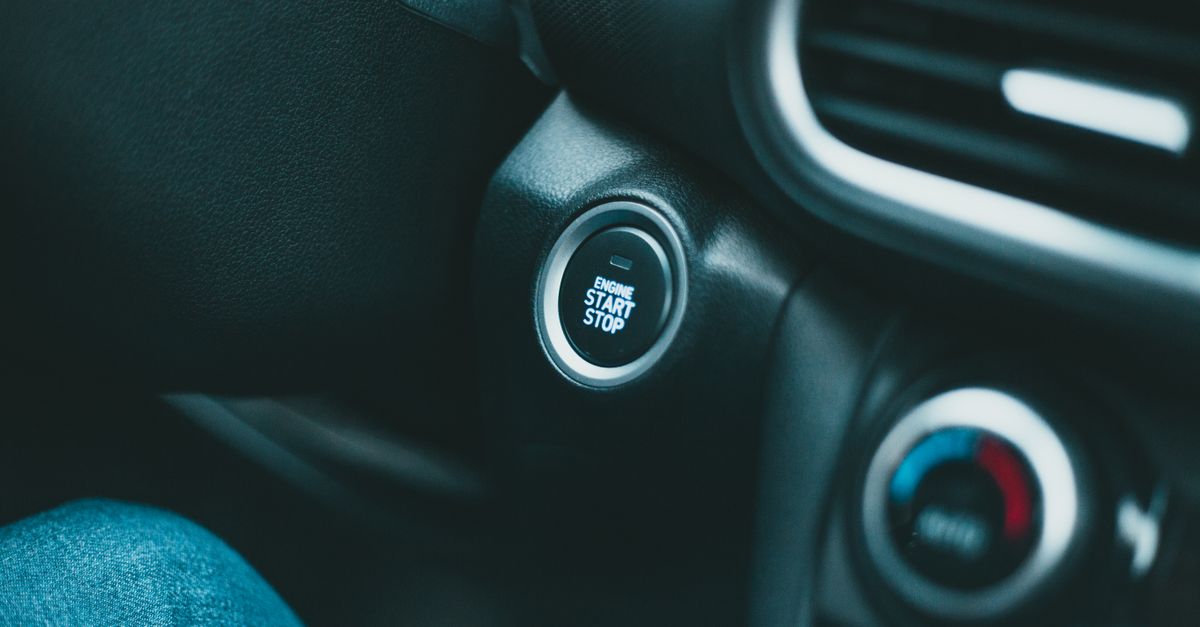
A transponder key contains a small radio-frequency microchip embedded in the head of the key. When you insert the key and turn the ignition, the car's immobilizer control module sends out a radio signal asking the chip to identify itself. Only a chip that replies with the exact code the module expects will allow the engine to start. This handshake happens in milliseconds, and it is entirely invisible — which is why so many drivers assume a mechanical problem when the real issue is electronic. Programming that chip requires specialized OBD-II diagnostic software, manufacturer-specific protocols, and in many cases the ability to read and write directly to the vehicle's engine control unit. Our mobile technicians carry professional-grade programming tools capable of working across a wide range of domestic and import makes, covering everything from older systems that store a single rolling code to newer proximity-based smart keys.
Getting the programming right on the first attempt is not just a matter of convenience — it is a matter of protecting the electronics in your vehicle. Incorrect programming attempts can lock out a module or force a costly reset. Our technicians follow manufacturer-guided procedures specific to your year, make, and model, and they confirm an exact up-front price with you before a single step of work begins. The final quote depends on factors including the vehicle make and model, the type of key required (basic transponder, high-security chip key, or proximity smart key), parts sourced on your behalf, the time of day, and travel distance to your location. There are no hidden fees revealed after the job is done.